
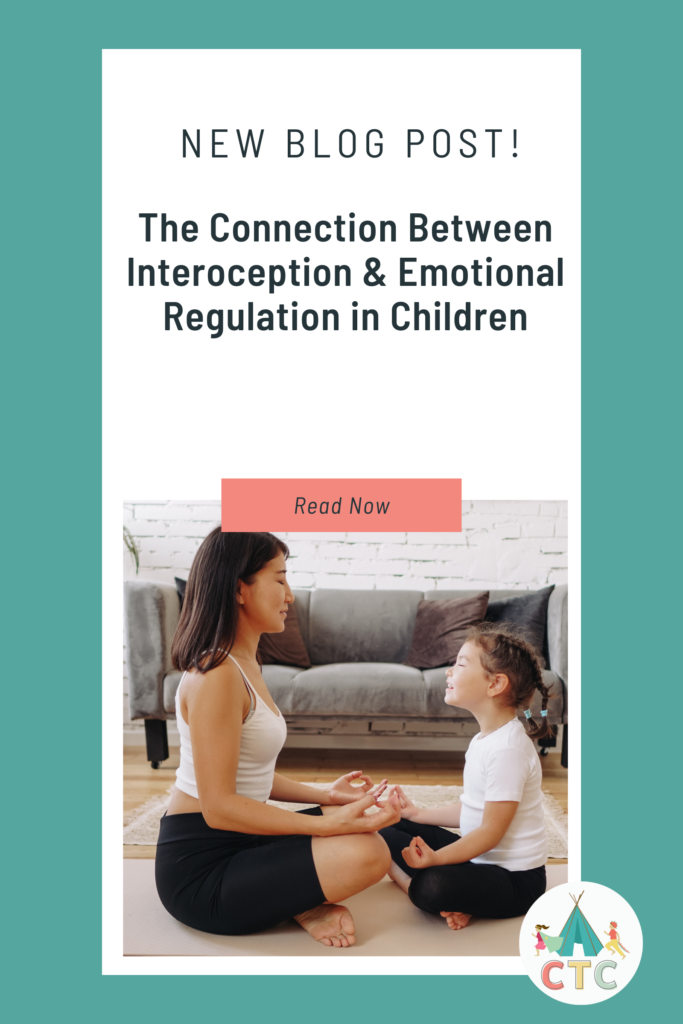
Children’s emotions are closely tied to their ability to understand and respond to internal body signals—a process known as interoception. When a child feels anxious, scared, or angry, their heart might race, their muscles might tense, or they may feel butterflies in their stomach. For children who struggle with interoception, identifying these emotional cues can be difficult, often leading to overwhelming emotions or meltdowns. At the Children’s Therapy Center, we recognize the importance of addressing interoception as part of our occupational therapy approach for children, especially those with sensory processing disorder.
How Interoception Impacts Emotional Awareness
Emotional regulation starts with recognizing emotions, but that recognition often comes from noticing physical sensations in the body. For example, when your child is scared, they might feel their heart beating fast or their palms sweating. When they’re excited, they might feel energy building up or notice butterflies in their stomach.
For children with strong interoceptive awareness, these physical sensations act as clues to their emotions. They can recognize when they’re starting to feel anxious, which gives them time to use strategies to calm down. However, children with poor interoception might miss these signals entirely. They may not realize they’re feeling anxious until they’re already in a full-blown meltdown.
Signs Your Child May Struggle with Emotional Regulation
If your child has difficulty with interoception, they might:
- Have frequent emotional outbursts or meltdowns because they’re not recognizing the physical cues that signal rising emotions.
- Struggle to express how they’re feeling beyond simply “good” or “bad.”
- Find it difficult to calm down once upset because they don’t notice the physical signs of calming, such as slower breathing or a relaxed body.
- Become overwhelmed by strong emotions without understanding why, because they don’t feel the connection between emotions and physical sensations.
Helping Your Child Develop Emotional Awareness Through Interoception
At the Children’s Therapy Center, we integrate interoceptive awareness strategies into our occupational therapysessions, especially for children with sensory processing disorder. Here are some ways you can support your child’s emotional awareness at home:
1. Teach Your Child to Identify Physical Cues
Help your child recognize the physical sensations that accompany emotions. You can start by teaching them to name what they feel in their body when they’re upset or calm. For example, you might say, “I notice your heart is beating fast when you’re feeling anxious” or “Your breathing slows down when you’re starting to relax.” This helps children begin to link physical sensations to specific emotions.
2. Practice Mindfulness
Mindfulness exercises, such as breathing techniques and body scans, can help children tune into their body’s signals. When they’re feeling overwhelmed, guide them through a mindful breathing exercise, asking them to notice how their chest feels when they breathe deeply or how their muscles relax as they exhale. Over time, these mindfulness techniques can become tools they use to self-regulate when emotions start to rise.
3. Use Visuals to Identify Emotions
For younger children, or those who have difficulty verbally expressing their feelings, visuals can be very helpful. Create a chart or use pictures that show different emotions alongside their corresponding body signals (e.g., a picture of a racing heart for anxiety). During emotional moments, you can ask your child to point to how they feel, giving them a concrete way to connect their bodily sensations with their emotions.
4. Model Emotional Awareness
Children learn from what they observe. By modeling emotional awareness yourself, you help your child understand the connection between body and emotions. You can say things like, “I’m feeling a little stressed; my heart is beating fast, so I’m going to take a few deep breaths to calm down.” This demonstrates that it’s okay to feel emotions and that there are strategies to manage them.
5. Create Calm-Down Spaces
Establish a designated calm-down space at home where your child can go when they need to regulate their emotions. Include sensory tools like soft textures, calming lights, and quiet activities that help them focus on their body signals. Teach your child to go to this space when they start feeling overwhelmed, and encourage them to use body awareness techniques to calm down.
Conclusion
Interoception plays a crucial role in emotional regulation, especially for children with sensory processing disorder. By helping your child become more aware of their body’s internal signals, you can give them the tools to manage their emotions more effectively. Developing emotional awareness takes time, but with practice and support, your child can learn to identify and respond to their emotions in a healthy, controlled way. At the Children’s Therapy Center, we are committed to supporting your child’s journey toward emotional regulation through tailored occupational therapystrategies.


